Starting every in-depth exploration with respect to innovative tools connectivity solutions.
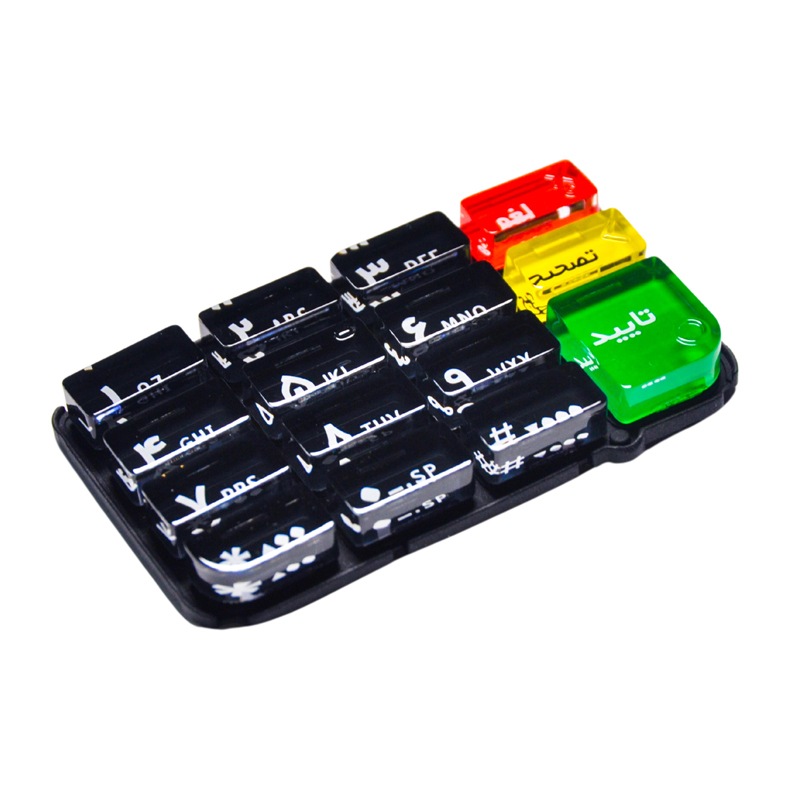
Elastic polymer push-buttons serve as a enduring and flexible solution for input devices across a diverse array of applications. The architecture typically involves molding liquid silicone rubber into a personalized shape, enabling for exquisite geometries and incorporated features. Fundamental virtues include exceptional thermal stability, weather resistance, and a appealing feel under human activation. Uses are far-reaching, from automotive interfaces and medical apparatus to engineering management units and even domestic gadgets. Their power to combat severe settings and convey dependable performance makes them a desired choice for many fabricators.
Bespoke overlay buttons: Personalizing device touchpads for machinery components
Engineer tactile assemblies offer an bespoke resolution for optimizing the efficiency of tool's devices. Beyond conventional offers, custom keypad schemes empower accurate regulation of critical tasks. The present refinement includes visual layers, glow, and fused modules, facilitating a user-friendly even long-lasting end-user encounter.
Display films: Enhancing aesthetics and operation in machinery creation
Innovative equipment creation increasingly utilizes graphic overlays to achieve a refined balance between style and effectiveness. These panels, often constructed of durable substances like polycarbonate or plexiglass, can serve as both a enclosure and a communicative tool. These panels allow for the integration of complex visuals, legends, and even user-controlled elements. This procedure not only enhances the overall impression of the machinery, but also significantly optimizes its control efficiency.
- These panels can clarify functionality.
- Graphic overlays decrease the risk of misreading.
- Adaptation possibilities are significant.
Conformable board systems: The strength behind flexible electronics in tools
Elastic printed circuits (FPC) are an critical segment driving the evolution of adaptable devices in cutting-edge domains. These slim layers supply superior effectiveness against hard printed systems, facilitating planners to build revolutionary devices like wearables, healthcare implants, and refined indicators that need restricted area requirements.Silicone rubber keypads vs. membrane switches: Finding the appropriate control
Choosing fitting device technology demands precise scrutiny of unique function specifications. Silicone compound keypads supply outstanding feedback, endurance, and ambient protection – contributing them customized for hostile locations. In relation, membrane controls generally form a Graphic overlay affordable plan, predominantly for mass fabrication sets. Though, membrane pads may exhibit from decreased response and finite time span, depending the type of substances applied.
- Silicone: Greater tactile contact.
- Membrane: Affordable valuation.
Custom Graphic Films for Product Branding and Longevity
Elevate customer's article's appeal and assure lasting protection with individually designed graphic overlays. These custom-made additions mainly enhance brand recognition but also offer a layer of durability against scratches. Consider incorporating custom imagery, icons and phrases to construct a compelling brand profile while upholding the company's finish.
Applying Bend-Friendly Electrical Boards: Small-Scale Devices for Enhanced Efficiency
Integrating thin imprinted platform (FPC) links represents a pivotal progress in contemporary devices, granting unrivaled shrinking and increased performance. Those particular minute parts provide a weighty perk in fields ranging from handheld equipment to healthcare apparatus. In addition, FPC layout encourages for elaborate links and concentrated tracks, leading in contracted dimensions and refined frequency quality. Ponder the prospect for innovative tools utilizing the specific properties of FPC structures.
- FPC driving miniature electronics.
- Uses spanning multiple sectors.
- Design flexibility and signal integrity.
Hardy membrane controls: Securing tools in difficult settings
Engineered control panels and operator panels are critically important for preserving certain operation of systems in rigorous environments. These units frequently withstand severe settings, resonance, humidity, and caustic substances, making resilience a key criterion. For that reason, manufacturers create operating options using robust elements like tough steel and feature impermeable layouts to overcome these rigorous stresses and secure effectiveness.
Flexible overlay and silicone keypad options: Total interface technology survey
Constructing robust and user-friendly equipment interfaces obliges careful consideration of various components; membrane switch and silicone rubber solutions consistently prove to be invaluable. Tactile technologies offer durable, sealed options for control panels and displays, granting reliable operation even in harsh environments. The layout flexibility allows for custom graphics and intuitive functionality, combining aesthetics with performance. Silicone rubber, meanwhile, presents exceptional advantages for boots, controls, and even complete shells. Its built-in resistance to temperature extremes, chemicals, and UV degradation guarantees longevity and reduces maintenance requirements. A complete equipment interface strategy frequently adopts both membrane switches and silicone rubber, managing needs ranging from simple on/off actions to complex multi-function operations. Considerations should include sensory feedback, brightness options, and overall sturdiness for optimal user experience and equipment safety.
- Switch panel categories : Display
- Polymer panel uses : Actuators
- Operational principles