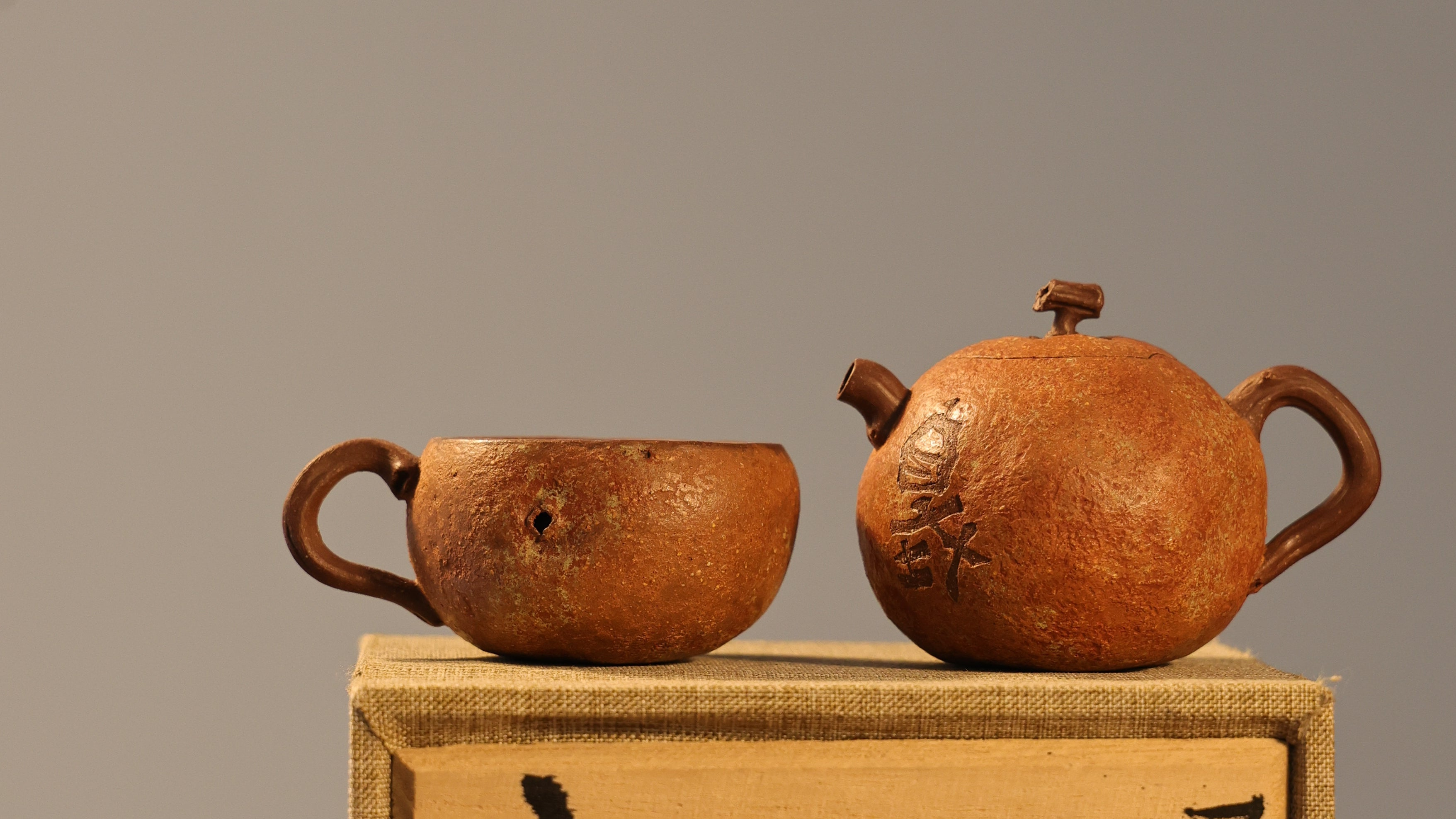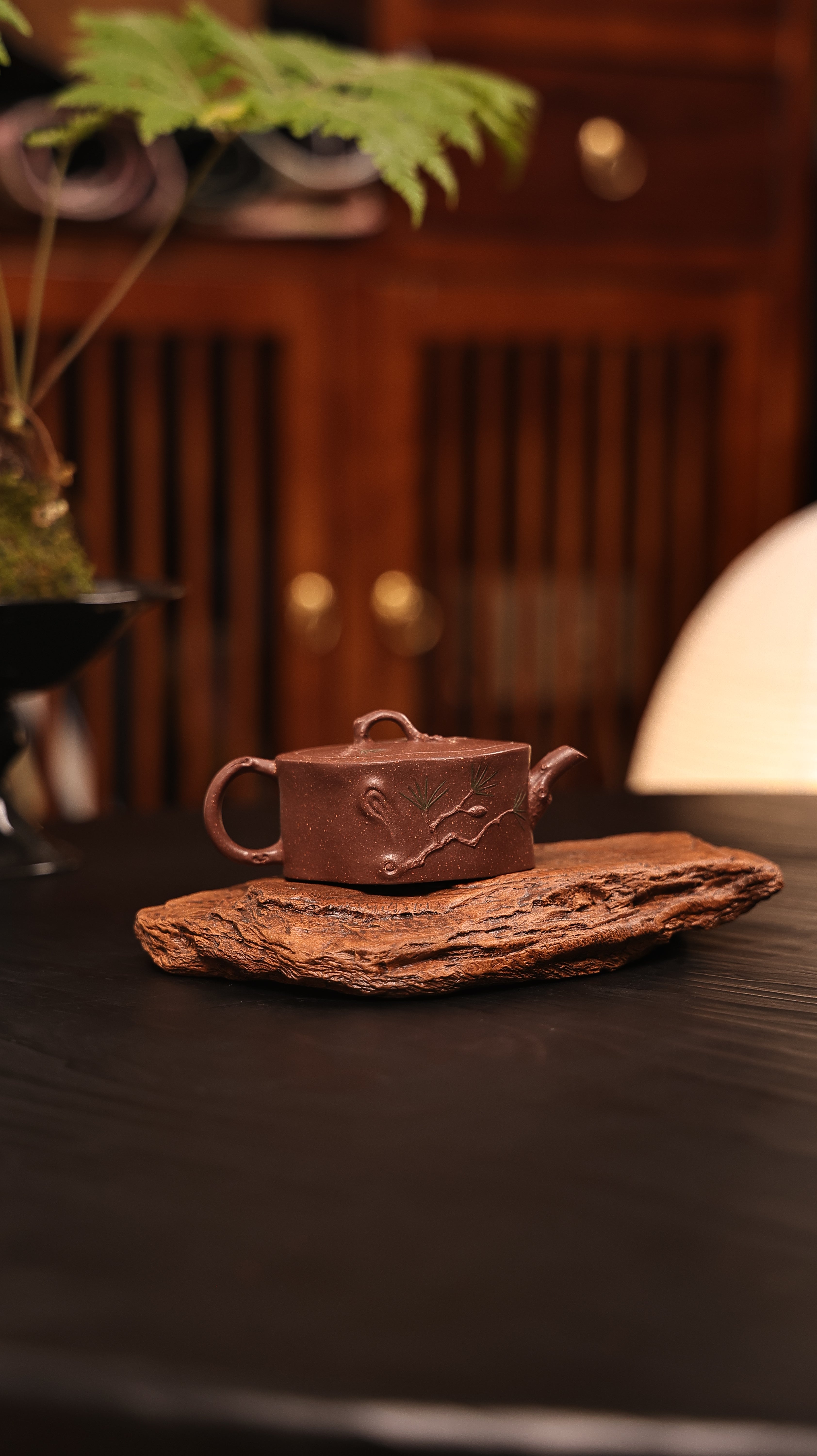
Enduring inheritance determines Yixing clay vessels across eras,
Manifesting rare features drawn within native violet earthen materials, these vessels evolve a patina over usage, enhancing flavor extracted from created extracts.
Unveiling Yixing Dregs: Complete Insights into Zisha
Myriad lovers respect the peculiar consistency of Yixing indigo clay, a bedrock of traditional Chinese porcelain. Hailing from the Yixing region of Jiangsu province, this uncommon clay holds an fine mineral constitution, what provides outstanding qualities to the realized objects. Categories within Zisha, including Duan Mud, Duan Ni Mud, and Jiang Xi Mud, each has distinct pigments, grains, and curing traits, influencing the permeability and the ultimate profile ripening of the brew.
Chinese Urn Legacies: Exploring Artistry
Eurasian teapots embody exceeding mere vessels for extract; they exemplify centuries of historical mastery. From the celebrated Yixing clay variations, respected for their permeable nature which gives unmatched flavors to the extract, to the subtle porcelain from Jingdezhen, each piece narrates a record of devotion. The development process is an careful endeavor, often relayed through lineages of professionals. These specialists use time-honored practices such as hand-building, throwing on wheels, and enhancing, demonstrating profound reverence for the material and the trade itself. Think about the labor invested in each piece as a symbol of Chinese earthenware legacy.
- Fine crocks: a timeless pick.
- Jingdezhen ware teapots: famed for their refined design.
- Fabricating techniques: a complex yet profitable procedure.
Eastern Clay Urn Maintenance: Conserving Your Cherished Item
Optimal maintenance of your unique Yixing Zisha flask is vital to maintaining its condition. Crafted from distinct purple sand dirt, these first-rate teapots build a warm patina after utilization, substantially boosting their allure. Withhold washers; a mild rinse with moderate temperature hydraulic medium is sufficient. Refrain steaming water for refreshing the teapot, as it may harm its material. Allow it to desiccate away from excessive solar rays. Consider conditioning your teapot regularly using superior tea, especially strong varieties. Here is a brief guide:
- Wash with temperate hydrating medium.
- Shun detergents.
- Let it to evaporate moisture.
- Mature with choice tea.
Heritage of Yixing Teapots: Commencement
The tale of Yixing teapots launches fundamentally during the Tang dynasty, approximately the 16th era. Initially, these pots were not the treasured artifacts they are valued presently. They were created by provincial potters using the sole purple clay harvested solely in the Yixing vicinity. These early pieces were predominantly utilitarian, purposed for regular employment and often modest in style. It was not until the subsequent dynasty that they started to earn recognition beyond mere functional goods.
Determining the Perfect Fine Pitcher: A Initial Handbook
Embarking the world of Yixing teapots can be difficult, but eschew hesitating! For initiates, the essential factor is understanding the soil. Authentic Yixing clay is prized for its openness, allowing the teapot to soak up the tea's essence over time, boosting every brewing session. Envision the configuration; traditional circular shapes prevail, yet personal preferences matter. Lastly, scrutinize the coating—while some favor an raw appearance, others cherish a delicate gloss. Take your time in the pick process—this is an commitment in a adored piece of craft.
Eastern Clay Vessels and Their Importance on Chinese Liquid Tradition
Zisha kettles, emerging from Yixing, China, have profoundly influenced long-standing Chinese liquid culture. These Yixing clay teapots, prized for their identifiable tone, texture, and exceptional ability to impart a subtle savor to the drink, represent more than mere holders; they are admired objects and symbols of renown. The very habit of preparing and serving infusion using a Zisha teapot is steeped in origin, elevating the experience beyond simple refreshment. Lineages of artisans have perfected their techniques, passed down through clans, resulting in highly valued pieces. Consequently, Zisha teapots are frequently gathered, playing a crucial part in cultivating regional appreciation for aesthetics and the practice of brew ceremonies.
- Distinctive Clay Composition
- Bestowing Subtle Flavor
- Fine Craftsmanship
Spotting Authentic Exceptional Yixing Pots
Finding a legitimate Yixing teapot can be a fruitful experience, but the trade is often overrun with replicas. Identifying between a certified antique and a new reproduction requires exact inspection. Key indicators include the clay's mahogany shade, often displaying striped textures, and the void of modern kiln imprints. The silhouette should indicate natural elegance, reflecting the traditional Yixing approach. Finally, reviewing the potter's seal is fundamental Purple Clay Teapot to verify authenticity against known archives.
- Assess the clay's fabric.
- Look for imperfections, indicative of manual quality.
- Hire an expert for authentication.
Obtaining Traditional Teapots: A Thorough Manual to Ceramics Appreciation
The realm of Chinese Zisha earthenware delivers a outstanding opportunity for astute enthusiasts. Steadily, the valuation of these well-made artifacts is steered by various factors, such as the grade of purple clay, the mastery of the craftsman, the heritage weight, and, naturally, the contemporary appetite. Apprentices should familiarize themselves on grasping the numerous characteristics of Zisha clay—such as Binghu, Du Ning, and 紅泥—and getting acquainted with the characteristics linked to each. Careful inspection of the vessel's shape, complexion, and logo is correspondingly paramount to make experienced conclusions when investing.