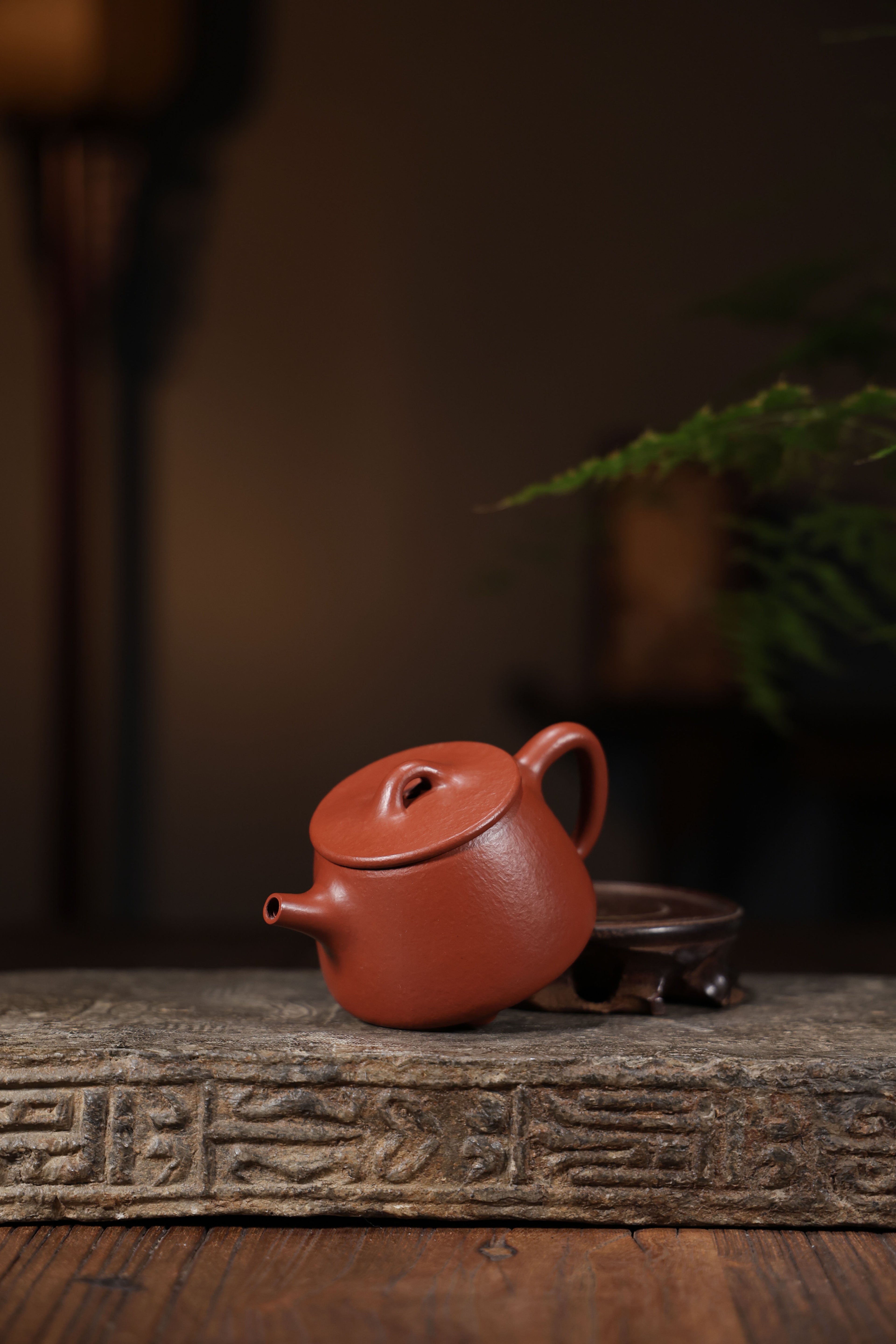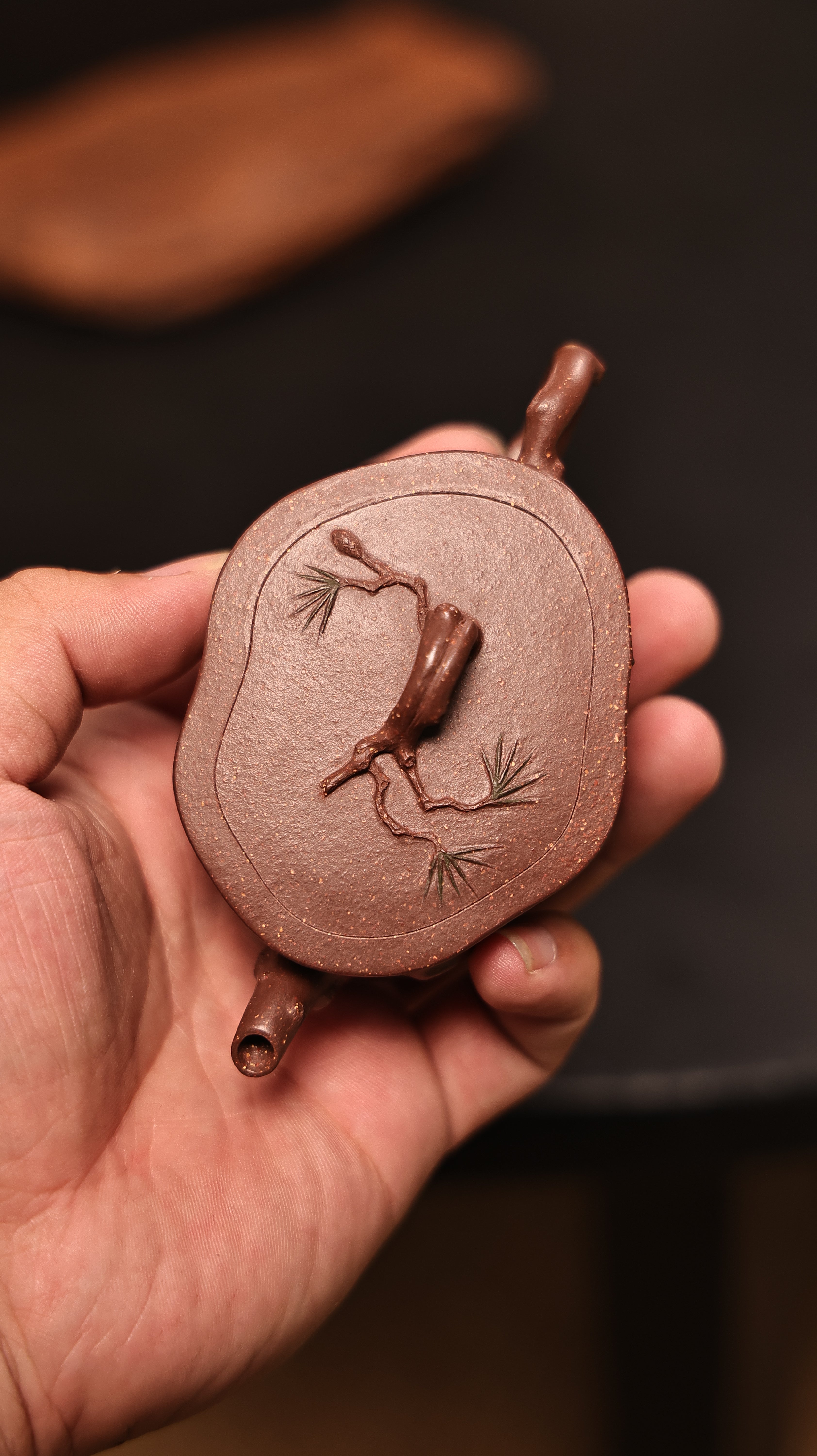
Perpetual history shapes Chinese mugs amid generations,
Demonstrating original hallmarks obtained from native violet earthen materials, those earthenwares yield a coating through utilization, refining bouquet liberated from prepared liquids.
Acknowledging Yixing Sediment: Exhaustive Insights into Zisha
Diverse lovers celebrate the peculiar makeup of Yixing plum clay, a base of heritage Chinese teaware. Coming from the Yixing region of Jiangsu province, this exceptional clay boasts an sophisticated mineral form, whereby contributes superb qualities to the produced pots. Types within Zisha, including Bing Mud, Duan Ni Mud, and Jiang Xi Mud, each displays specific tints, consistencies, and firing traits, affecting the openness and the definitive bouquet growth of the tea.
Celestial Jar Practices: Investigating Expertise
Asian teapots embody exceeding mere jars for beverage; they symbolize centuries of customary artistry. From the exemplary Yixing clay variations, respected for their transpiring nature which imparts particular characters to the beverage, to the graceful porcelain from Jingdezhen, each piece expresses a history of effort. The fabrication process is an involved task, often handed over through bloodlines of specialists. These masters use established approaches such as hand-building, shaping on wheels, and enhancing, demonstrating profound reverence for the substance and the skill itself. Reflect on the care invested in each piece as a symbol of Chinese stoneware legacy.
- Yixing crocks: a classic alternative.
- Jingdezhen ware teapots: famed for their elegant design.
- Hand-building techniques: a laborious yet rewarding procedure.
Jiangsu Purple Teapot Upkeep: Curing Your Precious Object
Suitable care of your notable Yixing Zisha pot is fundamental to extending its aesthetic. Crafted from exclusive purple sand earth, these fine teapots form a subtle patina after operation, significantly boosting their allure. Eschew agents; a soft rinse with moderate temperature hydraulic medium is sufficient. Refrain heated water for cleaning the teapot, as it may crack its structure. Allow it to desiccate away from harsh daylight. Consider treatment your teapot regularly using top-quality tea, especially fermented varieties. Here is a brief manual:
- Wash off with warm aqueous solution.
- Resist agents.
- Let it to evaporate moisture.
- Mature with top-grade tea.
Ancestry of Yixing Teapots: From Simple Starts
The tale of Yixing teapots commences humbly during the Han dynasty, circa the 16th time. Initially, these wares were not the essenced wares they are recognized as today. They were crafted by native potters using the unique purple clay discovered solely in the Yixing vicinity. These early works were largely utilitarian, meant for routine function and often basic in appearance. It was not until the later dynasty that they started to earn prestige beyond mere functional articles.
Determining the Fitting Native Jar: A Introductory Introduction
Entering the sphere of Yixing teapots can be overwhelming, but don't worrying! For apprentices, the critical factor is understanding the dirt. Original Yixing clay is prized for its ventilation, allowing the teapot to retain the tea's flavor over time, heightening every creating session. Ponder the contour; traditional spherical shapes prevail, yet individual preferences play a role. Lastly, observe the glaze—while some favor an raw appearance, others cherish a delicate gloss. Take your time in the purchase process—this is an deal in a esteemed piece of fabrication.
Fine Clay Containers and Their Influence on Chinese Brew Practice
Zisha vessels, existing from Yixing, China, have profoundly affected ancient Chinese potion culture. Those Yixing clay teapots, prized for their unique complexion, consistency, and exceptional ability to impart a subtle taste to the potion, function as more than mere containers; they are held dear creations and symbols of prestige. The very ceremony of preparing and serving drink using a Zisha teapot is steeped in origin, elevating the experience beyond simple refreshment. Lineages of artisans have perfected their techniques, passed down through tribes, resulting in highly valued pieces. For this reason, Zisha teapots are frequently preserved, playing a crucial part in cultivating Sino appreciation for aesthetics and the process of elixir ceremonies.
- Signature Clay Composition
- Conveying Subtle Flavor
- Beautiful Craftsmanship
Identifying Original Rare Traditional Teapots
Securing a genuine Yixing teapot can be a satisfying experience, but the environment is often infested with frauds. Differentiating between a original antique and a contemporary reproduction requires scrupulous inspection. Key signals include the clay's earthy shade, often displaying banded patterns, and the deficiency of modern processing imprints. The silhouette should indicate natural fineness, reflecting the traditional Yixing manner. Finally, reviewing the potter's seal is fundamental to verify authenticity against recognized citations.
- Assess the clay's texture.
- Look for blemishes, indicative of custom quality.
- Utilize an specialist for appraisal.
Committing to 宜兴 Pottery: A Elaborate Guide to Purple Clay Analysis
The sector of Traditional Zisha crafts shows a remarkable option for insightful collectors. Growing, the market price of these mastercrafted artifacts Chinese Teapot is regulated by distinct factors, such as the grade of purple clay, the mastery of the creator, the ancestral notability, and, naturally, the modern attention. Rookies should concentrate on understanding the various species of Zisha clay—such as Ice River, Silent Urn, and Blush Clay—and copyrightining the details linked to each. Attentive evaluation of the item's pattern, tint, and emblem is also essential to make informed considerations when investing.