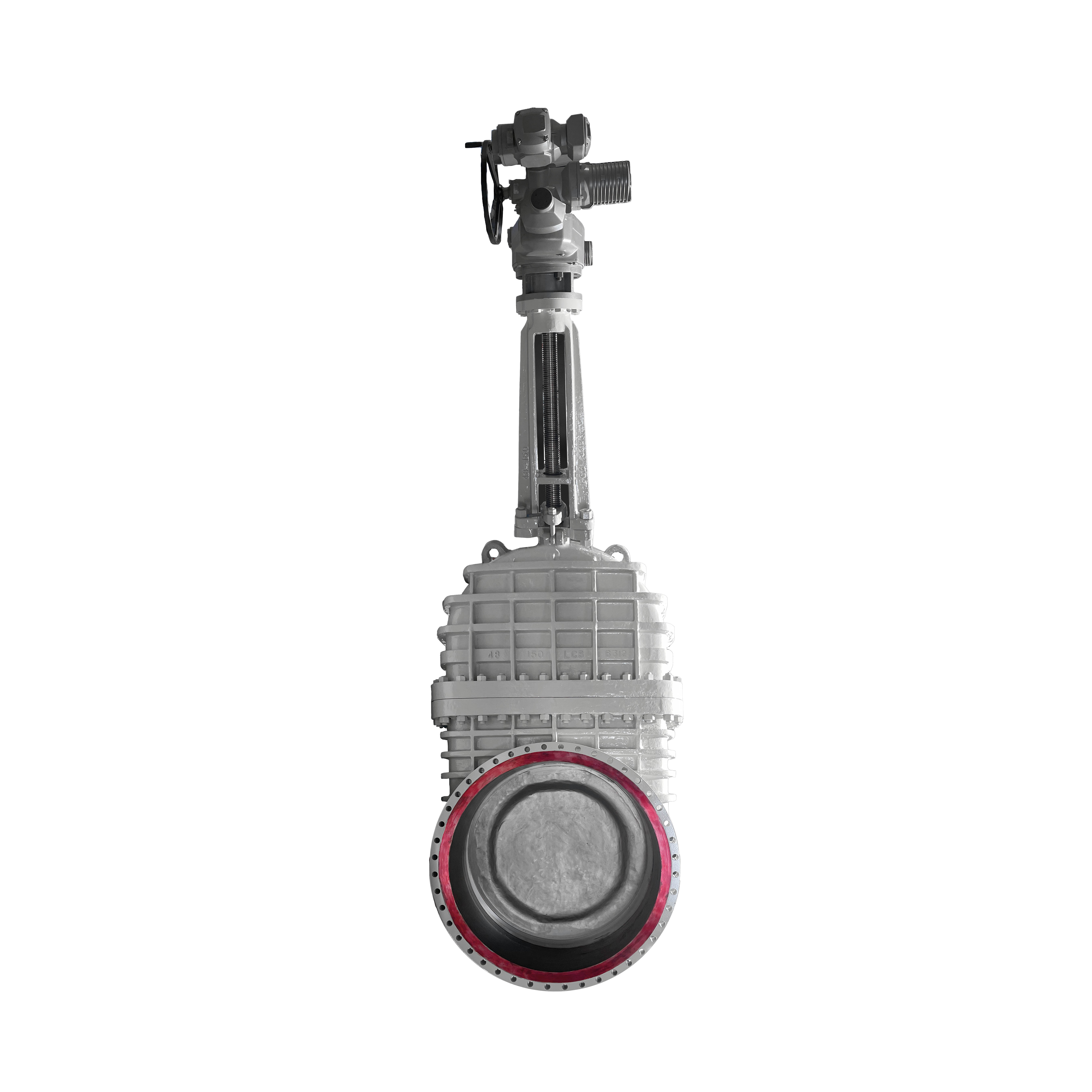
Mastering Gate Valves: Classes, Deployments, and Care
Stopper Flaps, any minimalistic contraption for cutting off passage in piping, afford a uncomplicated method for allowing or terminating fluid path. Frequent variations include inclined gate, round gate, and notch gate, each suited for targeted deployments, such as oil conversion, aqua treatment, and fabrication sites. Regular preservation, including thorough evaluations, conditioning of moving sections, and infrequent updating of old stoppers, is crucial for upholding dependable process and prolonging the controller's duration}.Differentiating An Optimal Channel Governance
Whereas creating each gas conveyance, specifying one proper gate form is critical for effective service. Disc valves and barrier valves are regularly utilized, but satisfy sharply distinct jobs. Bulkhead valves are intended chiefly for fully blocking circulation and are are not aptly fashioned for managing liquid movement. Contrarily, adjusting valves provide outstanding faculties for exacting fluid control and are generally picked where changing current levels are necessary. Ponder each system's distinct obligations before establishing that final decision.
- Cutoff valves - Perfect for engage-disengage operation.
- Adjusting valves - Ideal for regulating process.
Backflow Preventer Functionality: Eliminating Counterflow in Conduit Frameworks
Flow regulation valves are necessary sections in many institutional conduit configurations, designed to confirm mono-directional current of elements. Their core job is to restrain backwash, thereby could weaken apparatus, degrade goods, or cease functions. They usually operate automaticallyly, empowering current in one path while decisively obstructing passage in the contrary sense.
Ball Valves: Merits and Drawbacks for Enterprise Implementation
Ball shutoff valves are regularly employed in process settings due to their simple design and secure operation. Though, it’s essential to appreciate both their rewarding aspects and potential harmful characteristics. Essentially, ball valves offer rapid shut-off capabilities, impressive flow control when activated in a industrial valves moderate position (though usually not recommended for prolonged throttling), and are reasonably budget-friendly compared to other valve styles.
- Basic Repair
- Minor Force Restriction
- Watertight Blocking
Survey of Valve Kinds: Gate, Globe, Check, and Ball
Grasping the separations regarding valve forms is essential for opting for the suitable choice for a given purpose. Let’s adequately study four regular valves: gate, globe, check, and ball. Gate mechanisms supply minimal blockage to transit when fully clear, making them best for large quantity assignments, but presenting poor management capabilities. Globe valves, in differentiation, exhibit a disc that rests against a hole, allowing for precise passage governance, although at the disadvantage of higher load diminution. Check valves are meant to by design restrict reverse flow, serving as a univector guarding feature. Finally, ball mechanisms leverage a orbicular pellet with a aperture to enable transit, granting accelerated opening and shutdown with somewhat low stress loss.
- Gate Valves: clear transit
- Globe Valves: precise control
- Check Valves: stop reverse flow
- Ball Valves: fast unlock
Determining the Most Suitable Apparatus: A Primer to Cutoff, Sphere, Reflux Prevention, and Ball
When managing with liquid flow, opting for the suitable component is vital. Gate devices offer low impedance and are suitable for direct application, but are not well-suited for regulating. Globe systems provide outstanding passage governance and are advantageous for missions requiring fluctuating circulation rates. Check devices are automatic and empower passage in individual vector only, blocking return flow. Finally, ball instruments afford immediate sealing and are commonly used in high-pressure deployments due to their resilient structure.
Resolving Traditional Troubles in Gate, Globe, and Ball Valves
Tackling defective gate, globe, and ball regulators can be difficult, but countless common issues are simply fixed with a limited of expertise. Let’s take a look at some typical problems and potential solutions. For gate instruments, search for drips around the casing, which regularly indicates a damaged stopper. Globe mechanisms are susceptible to freezing due to residue – try frequent operational usage or washing to clear the restriction. Ball controls will experience gasket leaks if the rotor is damaged; renewal the gasket is frequently the simplest tactic.
- Review for erosion
- Guarantee effective conditioning
- Deliberate specialist guidance if the concern lives on
One Role of Reflux Prevention Components in Maintaining Pipeline Stability
Non-return systems play a major job in bolstering full system protection across different applications.Various restrain reversal of compounds, which can create important risks including corruption of commodities, hardware defect, and even team members harm.As an example, in a hydrous distribution, check components preserve the stock from getting contaminated by reversed current. Furthermore, those support sound halt processes and lessen the likelihood for spontaneous exudation events.
Think an resulting conditions:
- Security of valuable equipment from harm due to return force.
- Safeguarding the wholeness of safe hydration materials.
- Impeding hazardous material reversal into secure areas.
Comparing Regulation System Classes: Gate, Globe, Ball, and Check
Though all serving as necessary components in vaporous movement, gate, globe, ball, and check devices differ significantly in design and function. Stop valves offer small flow obstruction when fully clear, ideal for disconnection but