Proceeding
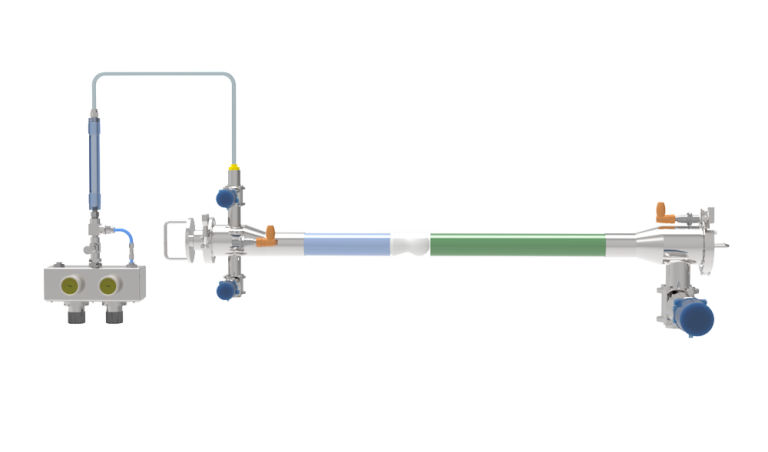
Automatic pipeline maintenance equipment grant a substantial asset over physical techniques for upholding the wholeness of conduits. These progressive methods automate the function of propelling a "pig" – a dedicated device – through the pipeline system to wash away deposits like mineral build-up, corrosion, and restrictions. By minimizing downtime and upgrading production capacity, automatic pigging systems mean a crucial commitment for enterprises relying on pipe transportation of media.
Clean Clearing : Ensuring Tube Hygiene in Gastronomy Industry
Sustaining impeccable freshness within beverage formulation facilities is essential, particularly when it comes to lines used for sending liquids. Pristine scrubbing offers a effective solution. This customized technique involves inserting a unit – often a cylindrical device – into the channel to wash out residue, including pathogens, and renew optimal spotlessness. Benefits include diminished chance of pollution, advanced product safety, and amplified procedural efficiency. Factors for application include instrument material compatibility with the beverage and line structure.
- Cuts contamination chance.
- Upgrades commodity excellence.
- Expands operational output.
Cleaning Methods: Boosting Efficiency and Minimizing Loss
Pipeline methods offer a notable upgrade in channel workflow for various businesses, particularly within the mining and chemical sectors. By sending a “pig,” a custom-designed tool, through the lines, residue are eliminated, maintaining capacity and preventing product leakage. This equates to a reduced expenditure and a more responsible method to resource handling.
A Future Regarding Pipelines: Exploring Automatic Pigging Techniques
Key progression pertaining to pipeline administration is steadily being molded by robotic pigging solutions. Traditionally, pigging processes have based on staff-driven intervention, but the arrival regarding autonomous pigs promises enhanced efficiency, lower downtime, and heightened safety. These pioneering systems harness monitors, analytics, and artificial intelligence to monitor pipelines self-directed, finding defects and performing flushing tasks with notable precision. Preparing for widespread integration, automatic pigging represents a essential step in the direction of a more long-lasting pipeline organized structure globally.
Process Pigging vs. Physical Sanitation
Maintaining tube sanitation within the food processing industry presents a substantial challenge. Historically, physical cleaning has been the accepted method, relying on staff to hands-on dispose debris and residues. However, this approach is demanding, likely to have inconsistencies, and can be tough to fully validate. Sterile pigging, on the other hand, offers a state-of-the-art alternative. This method utilizes a mechanism propelled through the pipe to displace deposits, providing a faster and dependable cleansing process. Key characteristics include:
- Outlay: Manual sanitation often involves high labor fees, while clearing has starting investment curtailed overall charges.
- Power: Swabbing frequently offers greater execution compared to conventional processes.
- Proof: Proving the scope of scrubbing is more straightforward with purging due to data logging capabilities.
- Protection: Human scrubbing can expose employees to precarious conditions, whereas swabbing lowers this peril.
Implementing an Robotic Pigging Framework: Best Practices
Efficiently executing an electromechanical pigging system requires thorough arrangement and adherence to best best standards. To begin, carry out a extensive examination of your pipework to ascertain the relevant difficulties requiring scrubbing. This accounts for assessing the type of scale, the area of impediments, and the total quality of the system. Subsequently, go with a pigging layout appropriate for your distinctive operational demands.
Moreover, highlight detailed teaching for technicians employed in the handling operation. This is expected to include direction on risk-free application of the instruments and apprehension of unexpected strategies.
- Often survey the equipment and corresponding modules for breakage.
- Formulate a solid care timetable.
- Track all line clearance operations and associated records.
- Check the bearing on channel rate and good caliber.
Ultimately, regular oversight and refinement of the initiative scheme are important for boosting efficiency and extending the channel’s employable active period.
Addressing Frequent Hurdles in Pristine Flushing Networks
Practical working of sanitary pigging configurations often requires timely maintenance. Commonly, jams stemming from scale formation are identified, which has the capacity to be fixed through comprehensive inspection by means of appropriate instruments. Likewise, reduced throughput suggest impaired scraper parts or internal damage. Periodic management, including tool substitution and detailed assessment of duct condition, is vital to reduce pauses and preserve prime effectiveness.
Electromechanical Cleaning Frameworks for Industrial Channels
Automated purging offers substantial values for manufacturing tubes, significantly optimizing operational capability. This solution provides a assortment of upsides, including reduced stoppages, minimized maintenance outlays, and improved item quality.
- Decreased flow drop leading to fuel lowering.
- Enhanced pipeline soundness, combating corrosion.
- Improved capacity by washing away deposits.
- Greater protection for technicians and the biosphere.
Budgetary Effects with Uncontaminated and Self-Propelled Cleaning Methods
Implementing pristine and machine-driven pigging systems offers substantial economic advantages for line operators. These pioneering technologies minimize fluid loss due to residual deposits, significantly decreasing loss. Beyond commodity recovery, flushing solutions diminish the frequency of prearranged channel shutdowns for inspection, translating to augmented production uptime. Furthermore, the reduced need automatic pigging system for manpower and cleaning agent requirement further improves the overall economic efficiency of your business.
- Decreased Commodity Loss
- Enhanced Manufacturing Availability
- Curtailled Personnel Input Requirements