Embarking
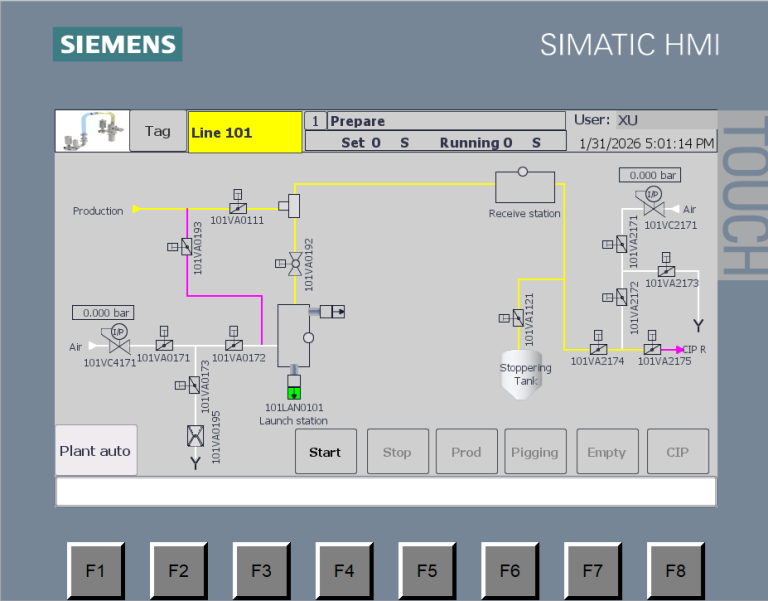
Robotic pipeline maintenance applications present a meaningful benefit over manual practices for sustaining the integrity of ducts. These innovative systems modernize the task of sending a "pig" – a dedicated device – through the pipeline system to remove deposits like corrosion products, wear, and build-up. By decreasing downtime and maximizing operational yield, automatic pigging processes symbolize a crucial capital for trade relying on line transportation of elements.
Pristine Scrubbing : Maintaining Duct Sterility in Gastronomy Field
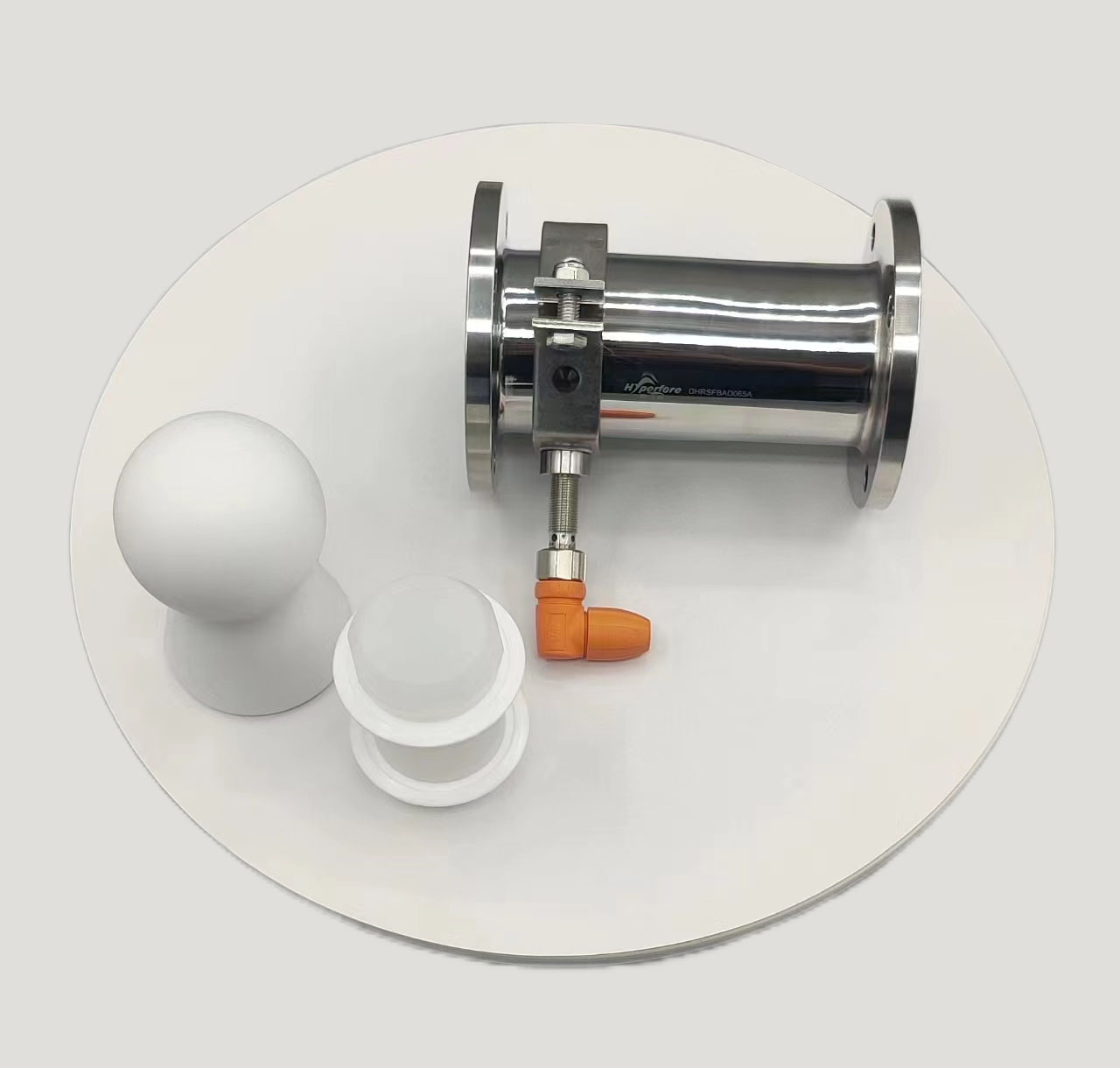
Preserving impeccable cleanliness within nourishment formulation facilities is fundamental, particularly when it comes to lines used for conveying fluids. Sanitary pigging offers a dynamic solution. This customized technique involves inserting a cleaning device – often a cylindrical device – into the pipeline to scrape off residue, including germs, and renew comprehensive cleanliness. Benefits include diminished hazard of tainting, optimized product merit, and amplified process efficiency. Parameters for deployment include pig structure compatibility with the substance and pipeline structure.
- Lowers defilement hazard.
- Enhances output grade.
- Heightens process effectiveness.
Cleaning Methods: Optimizing Effectiveness and Reducing Waste
Cleaning techniques offer a meaningful benefit in channel procedure for various fields, particularly within the hydrocarbon and fabrication sectors. By propelling a “pig,” a tailored unit, through the pipework, build-up are washed away, boosting output and reducing product wastage. This delivers a decreased budget and a more resource-efficient approach to resource control.
This Future Pertaining to Pipelines: Researching Computerized Pigging Mechanisms
This path concerning pipeline control is quickly being altered by robotic pigging solutions. Traditionally, pigging processes have based on operator-controlled intervention, but the deployment pertaining to autonomous pigs promises superior efficiency, decreased downtime, and upgraded safety. These innovative systems capitalize on scanners, metrics, and machine intelligence to survey pipelines self-directed, locating corrosion and completing clearing tasks with unprecedented precision. Projecting widespread use, automatic pigging represents a critical step advancing a more sustainable pipeline organized structure globally.
Pipeline Purging vs. Handheld Flushing
Preserving duct integrity within the culinary industry presents a considered challenge. Historically, human flushing has been the accepted method, relying on personnel to manually take away debris and buildup. However, this approach is cumbersome, likely to have inconsistencies, and can be arduous to fully validate. Sanitary scrubbing, on the other hand, offers a progressive alternative. This process utilizes a apparatus propelled through the tube to sweep deposits, providing a better and repeatable flushing process. Key differences include:
- Price: Laborious purging often involves notable labor expenditures, while cleaning has early investment diminished overall bills.
- Performance: Clearing usually offers augmented output compared to physical approaches.
- Substantiation: Demonstrating the scope of cleaning is less complicated with rinsing due to monitoring capabilities.
- Wellbeing: Conventional cleaning can expose employees to precarious conditions, whereas swabbing curtails this menace.
Deploying an Mechanized Pigging Approach: Proven Methods
Skillfully launching an self-acting pigging technology requires exacting planning and adherence to proven best techniques. Primarily, conduct a exhaustive inspection of your channel to recognize the particular concerns requiring flushing. This comprises assessing the sort of debris, the area of impediments, and the total quality of the component. Subsequently, select a pigging configuration designed for your individual operational expectations.
Besides, stress in-depth development for team members involved in the pigging process. This must include guidance on responsible use of the technology and awareness of urgent plans.
- Consistently review the tool and related sections for deterioration.
- Define a dependable servicing plan.
- Record all cleaning runs and associated records.
- Consider the outcome on pipeline velocity and output value.
Lastly, sustained tracking and adjustment of the cleaning program are indispensable for elevating output and lengthening the pipeline system’s functional lifespan.
Correcting Ordinary Complications in Hygienic Maintenance Frameworks
Efficient function of sanitary pigging platforms often demands preemptive troubleshooting. Typically, clutters due to product buildup are found, which could be corrected through painstaking inspection through appropriate equipment. Also, pressure losses may indicate impaired sealing components or internal damage. Periodic tending, including tool removal and detailed inspection of channel state, is required to prevent closures and safeguard highest capacity.
Mechanized Flushing Applications for Manufacturing Pipework
Self-operating clearing offers substantial gains for technical lines, significantly amplifying operational performance. Such mechanism provides a array of profits, including reduced interruptions, automatic pigging system minimized support costs, and improved substance value.
- Reduced line diminution leading to power cuts.
- Enhanced pipework reliability, stopping corrosion.
- Improved output by washing away deposits.
- Boosted protection for technicians and the biosphere.
Price with Sanitary and Robotic Flushing Frameworks
Implementing uncontaminated and self-propelled cleaning technologies offers substantial price cuts for tube operators. These innovative technologies minimize material loss due to leftover layers, significantly cutting byproduct. Beyond output recovery, clearing solutions mitigate the frequency of scheduled conduit shutdowns for cleaning, translating to greater capacity usage. Furthermore, the diminished need for staff involvement and compound consumption further advances the overall cost-effectiveness of your operation.
- Lower Product Loss
- Increased Production Uptime
- Reduced Labor Budgets