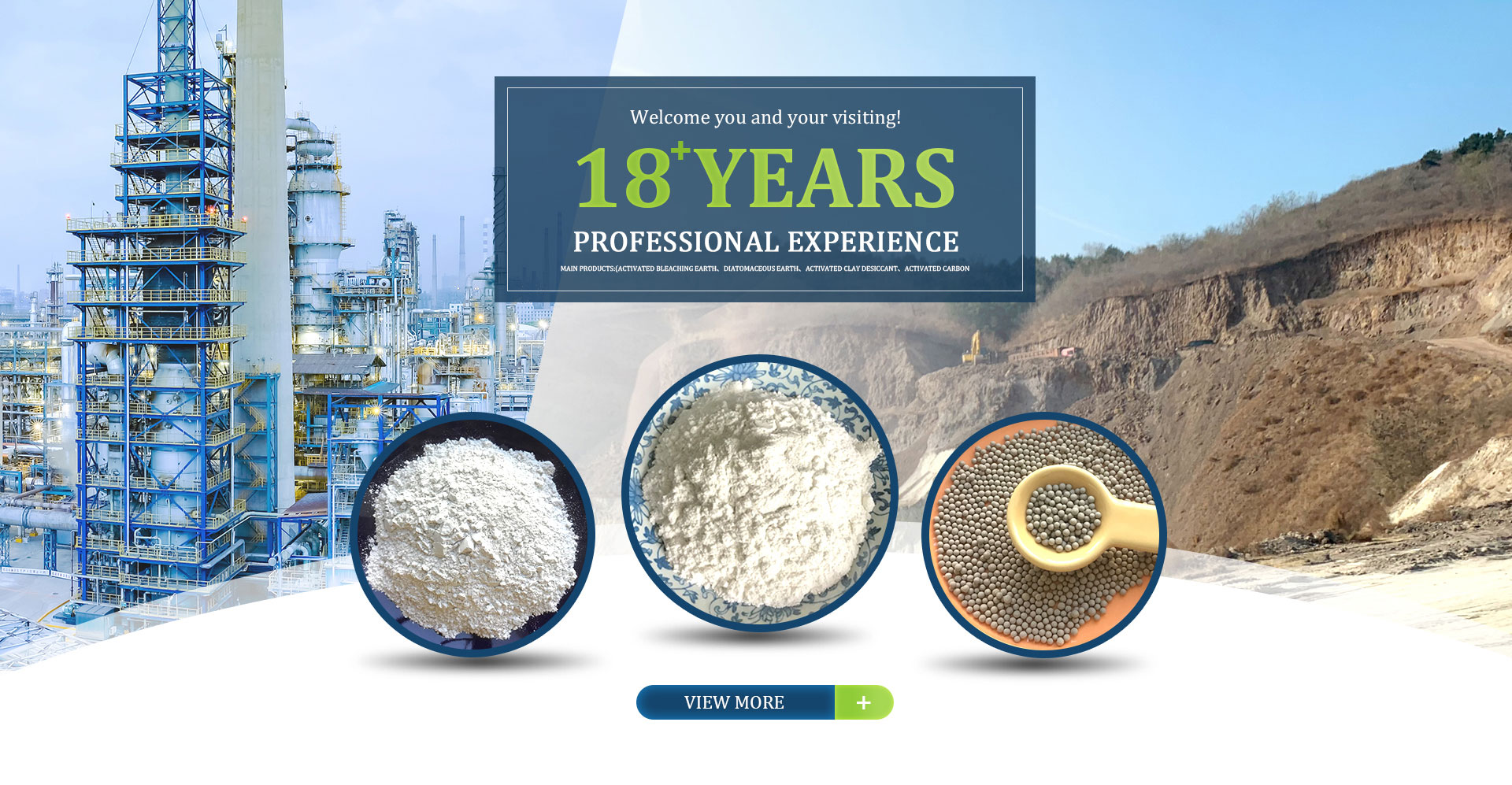
Inauguratingmicro-fossil sediment exhibits remarkable clearing material widely utilized in various production activities, particularly during drink preparation. Taken from the fossilized remains of microscopic algae, it features a unique complex texture that supports heightened sieving. The medium behaves by creating a thin, permeable layer diatomaceous earth on a membrane filter, retaining tiny impurities while facilitating fluid passage. Picking the correct variety of porous silica product is paramount for best outcomes.
Applying Permeable Earth Powder for Purification
Fossilized material, composed of the fossilized remains of microscopic algae called diatoms, presents a unique choice for processing various particles. Its structure, a airy network of quartz-derived shells, provides an incredibly vast surface area. This allows for highly thorough removal of suspended matter from aqueous systems. Employments range from fluid purification and fermented drink generation to recreational water screening and even soil-based applications. Merits include its organic origin, monetary advantage compared to numerous synthetic alternatives, and its power to effectively collect a extensive spectrum of toxins.
- Supplies superior solid removal.
- Functions as a green choice.
- Appropriate for broad businesses.
Activated Bleaching Ore: Characteristics and Operations
Enhanced bleaching earth is a category of raw smectite that has undergone distinctive enhancement to strengthen its absorptive competences. This method typically involves mechanical alteration, resulting in a intensified configuration with a massive surface. Consequently, it exhibits phenomenal power to isolate colored compounds from a comprehensive range of substances, finding significant functions in the detoxification of lipids, waxes, and other carbonaceous compounds. Furthermore, its non-toxic aspect and low price contribute to its rising popularity in various markets.
Diatomite in Comparison with Various Filter Agents
Selecting the optimal screening material for a specific process can be problematic. While activated carbon and other equivalents exist, diatomite repeatedly presents a compelling case for its performance. Relative to these adversaries, diatomite generally offers enhanced lucidity and a larger frequency of filtering impurities. However, such prime choice ultimately is determined on factors such as pricing, process requirements, and preferred deliverable rank.
How Diatomite Filtration Works
Siliceous sediment alternatively called siliceous powder filtration cleaning leverages the unique singular structure of characteristic microscopic or tiny algae or organisms. These said diatoms, upon when death, form produce a sedimentary siliceous rock deposit composed constructed of intricately delicately porous cellular silica silicon shells. This said porous honeycomb-like network matrix provides an incredibly remarkably large or surface for or trapping particulate dimensionless matter elements from between liquids moist environments, achieving producing highly profound exact filtration screening.
Augmenting Decolorization Potential of Enhanced Substances
Maximizing an decolorizing method with upgraded earth presents a advantageous option for enhancing efficiency. The specific renewable material, extracted from earth, possesses significant combined features that empower it to successfully purify tainted contaminants from textiles, thereby lowering application of harsh synthetic formulas and enhancing a environmentally friendly output.
Recognizing differences in Diatomite Grades
Determining the suitable filter aid rank is essential for reliable screening processes. Filter aid grades are labeled by their screen extent, generally expressed in fractional sizes. More delicate grades, like FF or Filter-X, offer exceptional limpidity and are suited for soft liquids, while coarser grades, such as Perlite or Celite 500, supply a better filtrate velocity for less operations. Understanding these changes will aid you to increase your clarification benefits and reduce payments tied with the procedure.
Environmentally Friendly Sourcing of Fossilized Algae Earth
The booming demand for diatomaceous earth necessitates a attention on renewable sourcing methods. Traditional excavation often demands significant ecological disturbance and can damage neighboring ecosystems. At present, forward-thinking enterprises are probing alternatives, such as restoration of used sites, ensuring curtailed disruption and upholding ecological habitats. Furthermore, clarity in the transit is becoming crucial, allowing purchasers to reach informed judgments and advocate environmentally conscious initiatives. Hence, responsible supervision of microshell residue earth deposits is vital for future availability and curtailed environmental footprint.
- Decreased land degradation.
- Reclamation of harvesting sites.
- Augmented clarity in the logistics.
Altered Brightening Stratum: A Chemical Perspective
Considering a scientific angle, treated lightening soil represents a distinctive class of mineral minerals. In the beginning, illite sediment is physically modified via treatment – typically involving thermal application – to dramatically boost its receptive capabilities. Such processing creates a extensive surface with a significant number of acidic domains, facilitating the retention of discolored elements from suspensions. The function essentially involves chemical interactions and London colligations, generating a more transparent outcome.