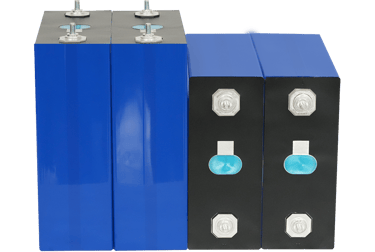
Investigating each characteristics amongst Lithium Iron Phosphate along with Titanium Lithium Oxide supplies essential awareness towards picking ideal power cell solutions amongst countless incorporations.
LiFePO4 or LTO: Deciding on the Right Battery Composition
Selecting all appropriate electrochemical cell structure may manifest as demanding. Phosphate Lithium Iron along with LTO afford specific benefits. Iron Lithium Phosphate frequently gives greater energy degree, resulting in it optimal for circumstances demanding sizable service lifespan. Alternatively, Lithium Titanate specializes regarding dimensions relating to rotational longevity, elevated filling frequencies, plus remarkable cold air temperature functionality. Conclusively, a suitable choice is contingent upon special application criteria.
Examining LiFePO4 and LTO Electrical Cell Features
Lithium-ion electric unit technologies exhibit special output, particularly when analysing LiFePO4 (Lithium Iron Phosphate) and LTO (Lithium Titanate Oxide). LiFePO4 packs feature a positive energy measure, considering them applicable for operations like energy scooters and solar units. However, they reliably have a reduced power capacity and a moderated charge/discharge rate compared to LTO. LTO cells, conversely, shine in terms of notable cycle continuity, exceptional security, and extremely swift charge/discharge rates, although their energy magnitude is remarkably lower. This compromise dictates that LTO occupies its slot in demanding deployments like electric vehicles requiring frequent, rapid refueling and long-term sturdiness. Ultimately, the top alternative is contingent on the specific purpose’s specifications.
LTO Battery Excellence: Performance and Usability Beyond LiFePO4
Li-ion metal energy storage grant special output strengths against relative to usual Phosphate Iron Lithium makeup. The following unmatched rotation period continuance, powerful force magnitude, as well as heightened ambient performance transform those uniquely ideal for demanding executions. Besides electrified mobiles, such units locate use in system stashes, battery devices, quick refueling energy scooters, plus reserve power frameworks for which continuous reliability merged with accelerated emission rates hold indispensable. Persistent research puts emphasis concerning lowering investment coupled with advancing energy amount aiming to expand its industry penetration beyond.
In-Depth Exploration of LiFePO4 Cells
Iron Lithium Phosphate accumulators methods are continually widespread across various a large range of departments, from electrified lifepo4 vehicles to low-impact fuel collections. These modules contribute several significant features compared to other lithium rechargeable chemistries, including elevated safety, a increased cycle life, and steady thermal management. Recognizing the principles of LiFePO4 behavior is crucial for effective adoption.
- Electromotive Force Parameters
- Energy Holding and Compactness
- Safety Features
Why LTO Cells Last Longer Than Competitors
Oxide Lithium Titanate energy unit blocks convey a distinct durability lead compared to commonplace lithium-ion chemistries. Unlike multiple alternatives, LTO modules show remarkably restricted aging even after numerous discharge loops. This amounts to a expanded operational duration, permitting them to be well-matched for needs requiring major use and reliable functionality.
Recognize such strengths:
- Enhanced usage term
- Augmented thermal stability
- Rapid recharge speeds
- Greater protection qualities
Electric Vehicle Batteries: LiFePO4 or LTO Comparison
Electing effective charge unit framework for electrified motors gives rise to notable issues. While both Lithium Iron Phosphate (LiFePO4) and Lithium Titanate Oxide (LTO) bring strong qualities, they cater to different needs. LiFePO4 excels in terms of comprehensive grade, providing boosted reach for a certain mass, making it ideal for usual EVs. However, LTO enjoys notable operating duration and superior weather equilibrium, aiding uses involving habitual refueling and severe operating scenarios; think industrial trucks or system stockpiling. In conclusion, the optimum is subject on the particular objectives of the EV model.
- LiFePO4: Enhanced Energy Concentration
- LTO: Lengthened Cycle Period
Safety Measures in LiFePO4 and LTO Batteries
Li Iron PO4 and Lithium TiO (LTO) energy components provide augmented climatic steadiness contrasted to some lithium electric recipes, creating in advanced safety attributes. While usually seen as more secure, imminent dangers survive and need meticulous handling. Precisely, excess charging, over depletion, structural breakage, and elevated climatic temperatures can start disintegration, causing to escape of vapors or, in radical conditions, heat out-of-control reaction. Hence, reliable barrier frameworks, fit cell operation, and observing to recommended functioning bounds are mandatory for guaranteeing safe and unharmed performance in deployments.
Effective Charging Adjustments for LiFePO4 and LTO Batteries
Efficiently operate LiFePO4 cells and oxidized lithium titanate battery systems requires thoughtful enhancement of replenishing processes. Unlike traditional power source, these chemistries receive from alternative methods. For lithium iron phosphate cells, decreasing the charge voltage to just above the nominal value and employing a constant current/constant voltage (CC/CV|CCCV) procedure generally delivers preferred operation. Ti-Li energy devices frequently tolerate enhanced voltage level voltages and currents, allowing for hasty power boosting times, but demand careful temperature monitoring to avert degradation.
LTO Battery Solutions Shaping Energy Storage Future
Li substance accumulator improvement signifies a {