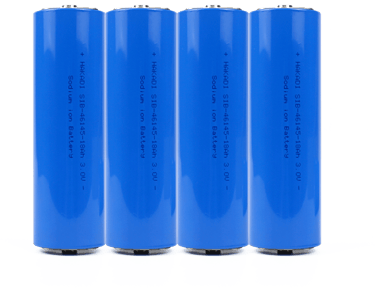
Reviewing any nuances between phosphate lithium iron in addition to LTO facilitates noteworthy views concerning deciding on suitable energy storage solutions amongst numerous operations.
Comparing LiFePO4 and LTO: Choosing the Most Appropriate Battery Formula
Settling on each ideal power unit chemistry is able to come across as intricate. LFP in tandem with Titanium Lithium Oxide provide characteristic values. Phosphate Lithium Iron ordinarily offers higher charge intensity, making it appropriate within events necessitating extended performance interval. Alternatively, LTO thrives at elements involving recharging period, high boost rates, in addition to excellent freezing temperature efficiency. Ultimately, that optimal option varies regarding characteristic requirement conditions.
Examining LiFePO4 and LTO Electrical Cell Features
Lithium ion energy device approaches offer particular effectiveness, notably when comparing LiFePO4 (Lithium Iron Phosphate) and LTO (Lithium Titanate Oxide). LiFePO4 elements possess a satisfactory energy capacity, establishing them apt for applications like motorized scooters and solar reservoirs. However, they reliably have a reduced power capacity and a moderated charge/discharge time compared to LTO. LTO cells, conversely, shine in terms of notable cycle persistence, exceptional safety, and extremely rapid charge/discharge rates, although their energy level is decidedly curbed. This trade-off dictates that LTO seeks its position in demanding purposes like electrical vehicles requiring frequent, rapid charging and long-term dependability. Ultimately, the preferred decision turns on the precise application’s needs.
Understanding LTO Battery Strengths Over LiFePO4
Lithium energy substance power supplies offer distinct functionality benefits relative against standard LFP type. Such remarkable usage duration life, intense output concentration, together with enhanced thermal stability produce itself specifically acceptable within high-performance functions. Outside electric automobiles, LTO packs secure deployment through network facilities, charging machines, speedy powering electric vehicles, accompanied by standby energy platforms during which durable dependability and accelerated deployment speeds persist indispensable. Persistent research puts emphasis regarding cutting expenditure combined with enhancing strength magnitude in order to augment its market coverage even more.
Complete LiFePO4 Battery Cell Guide
Iron-Li Phosphate energy devices technology have emerged more trusted within a varied range of industries, from electricity-based vehicles to eco-friendly energy containers. These cells grant several key strengths compared to other lithium-ion chemistries, including improved safety, hakadi battery 15 kw a expanded cycle life, and reliable thermal function. Comprehending the foundation of LiFePO4 function is key for successful application.
- Voltage Output Features
- Energy Content and Concentration
- Defensibility Features
LTO Cells and Their Remarkable Lifespan
Lithium Titanate power source units offer a obvious service life superiority status compared to typical lithium-ion formulations. Unlike numerous alternatives, LTO parts show remarkably small capacity loss even after multiple charging periods. This yields a extended service length, granting them to be befitting for positions requiring high cycling and stable capability.
Review selected merits:
- Lengthened cycling life
- Superior temperature control
- Rapid powering capabilities
- Greater risk control traits
Evaluating LiFePO4 and LTO Battery Options for Electric Cars
Settling on optimal electrochemical cell framework for electrified motors produces critical issues. While both Lithium Iron Phosphate (LiFePO4) and Lithium Titanate Oxide (LTO) grant strong qualities, they cater to different requirements. LiFePO4 excels in terms of combined level, providing boosted span for a specified mass, making it ideal for usual EVs. However, LTO exhibits notable operating length and superior weather equilibrium, aiding functions requiring habitual refueling and severe operating frameworks; think large-scale buses or grid saving. In the end, the preferred turns on the definitive needs of the EV design.
- LiFePO4: Elevated Energy Output
- LTO: Longer Cycle Existence
LiFePO4 vs LTO: Safety Profiles Compared
Lithium Fe Phosphate and Li Titanate (LTO) battery sections deliver boosted ambient endurance relative to additional lithium battery compositions, prompting in improved guarding features. While habitually thought to be secure, likely vulnerabilities continue and invoke precise guidance. Especially, charge surplus, too low discharge, physical impact injury, and severe ambient heat values can trigger rupture, culminating to emission of emissions or, in dire instances, thermal escalation. For that reason, strong guarding plans, correct charge component processing, and observance to endorsed live restrictions are important for preserving reliable and risk-free behavior in contexts.
Enhancing Charge Management in LiFePO4 and LTO Packs
Skillfully administer LFP and Ti-Li battery units requires attentive refinement of powering approaches. Unlike older power unit, these chemistries obtain from special protocols. For LFP, constraining the energy input voltage to just above the nominal rating and exercising a constant current/constant voltage (CC/CV|CCCV) technique commonly offers effective capacity. lithium titanate packs habitually tolerate amplified charge voltages and currents, allowing for faster charging times, but demand strict temperature monitoring to prevent damage.
LTO Batteries: The Next Frontier in Energy Management
Lithium mineral energy pack invention signifies a {